Burning the Midnight Oil: How Late-Night Streams Became Gen Z's Prime Time
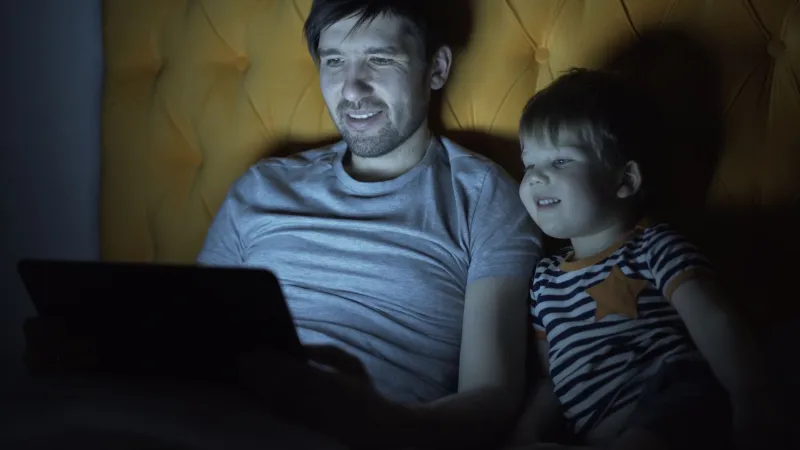
It's 2:47am on a Tuesday. Most of America is asleep. But scroll through any major live streaming platform right now and you'll find thousands of viewers locked in — watching a guy play Elden Ring until his eyes glaze over, or tuning into a lo-fi music set being broadcast from some artist's bedroom in Austin. The chat is flying. The energy is real. And nobody seems to care that they have class in five hours.
This is the 3am economy. And Gen Z built it.
Why Night Owls Rule the Stream
Late-night live content didn't happen by accident. It evolved out of a collision between shifting sleep patterns, algorithm behavior, and a generation that genuinely prefers connection over conventional schedules.
Dr. Priya Mehta, a behavioral sleep researcher at the University of Michigan, puts it plainly: "Adolescents and young adults have a biological tendency toward delayed sleep phase. Their circadian rhythms naturally push wakefulness later into the night. Combine that with the dopamine loop of real-time social interaction, and you've got a perfect storm for late-night engagement."
In other words, Gen Z isn't just staying up late out of rebellion. Their bodies are already wired for it — and streaming platforms are meeting them exactly where they are.
The Platform Knows When You're Awake
Here's something most casual viewers don't think about: streaming platforms are paying close attention to when engagement spikes. And for younger audiences, that spike often happens after midnight.
Content creators have noticed this pattern for years. Jasmine T., a 24-year-old variety streamer based in Atlanta who goes by the handle @NightBloomLive, says she made a deliberate pivot to late-night content about two years ago — and it changed everything for her channel.
"I used to stream at like 7pm, normal hours, and I had decent numbers," she says. "But once I started going live after midnight, the community feel completely shifted. People were more relaxed, more willing to talk, more willing to stay. It felt like a house party instead of a job interview."
That intimacy is a huge part of the appeal. Late-night streams tend to attract a more dedicated, self-selected audience — people who chose to be there, not just people who happened to be scrolling. That commitment changes the energy in a chat room dramatically.
Sleep Scientists Are Taking Notes
Not everyone is celebrating this trend, of course. Sleep researchers have been watching the rise of late-night streaming culture with a mix of fascination and concern.
"The issue isn't just lost sleep hours — it's the type of stimulation happening right before sleep," explains Dr. Marcus Webb, a clinical sleep specialist based in Chicago. "Live streaming is interactive. Your brain is processing social cues, reacting to chat, feeling the reward of community. That's the opposite of winding down. You're essentially doing social cardio at 3am."
For Gen Z, the consequences are real. Studies consistently show that chronic sleep deprivation in young adults is linked to everything from impaired memory consolidation to heightened anxiety. But awareness of those risks doesn't seem to be slowing anyone down — if anything, the "I'll sleep when I'm dead" mentality has become part of late-night streaming culture's identity.
Some streamers even lean into it. Sleep-deprived commentary, bleary-eyed check-ins with chat, the shared ritual of watching the clock tick past 4am together — it's all part of the experience.
The Community That Only Exists After Dark
There's a specific kind of bond that forms in a late-night stream, and regular viewers will tell you it's unlike anything that happens during daytime content.
Derek, a 21-year-old college student in Ohio, has been a regular in several late-night gaming streams for the past three years. "The daytime streams feel more performative, like the streamer is 'on,'" he says. "But at 2am, everybody drops the act a little. The streamer's more real. The chat's smaller so you actually get seen. It feels like a secret club."
That sense of exclusivity is powerful. It creates loyalty. And for content creators trying to build a sustainable community on platforms like iMau4U Live, loyalty is the whole game.
Late-night music performances have tapped into this especially well. Independent artists who might struggle to compete with polished daytime content have found that a raw, unfiltered midnight set — just them, a guitar, and a few hundred dedicated listeners — can generate the kind of emotional connection that no algorithm can manufacture.
Traditional TV Never Had a Chance
Let's be honest: late-night television as a format has been slowly losing Gen Z for years. The monologue-desk-interview structure feels stiff compared to what's available on streaming platforms at any given hour.
Why watch a celebrity answer scripted questions on a talk show when you can watch your favorite streamer answer your question live, in real time, at midnight? The interactivity isn't just a feature — it's the entire value proposition.
This is what traditional media keeps missing. Gen Z doesn't just want to consume content. They want to be part of it. And the late-night streaming world, with its smaller audiences and more accessible creators, gives them that in a way that nothing else quite does.
The Real Cost — And Why That's Not Stopping Anyone
So yes, sleep scientists are right. Staying up until 3am watching someone play video games or perform acoustic covers is probably not great for your long-term health. Most Gen Z viewers know this. They'll tell you themselves.
But what they'll also tell you is that the alternative — going to bed at a reasonable hour and missing the stream — feels like opting out of something real. Something alive. And in a media landscape that's increasingly pre-recorded, algorithm-curated, and emotionally distant, that feeling of being live and present with a community is genuinely hard to replicate.
The 3am stream isn't just entertainment. For a lot of Gen Z, it's the closest thing they have to a neighborhood — a place where people know your username, remember your jokes, and are always up when you are.
Whether that's a beautiful thing or a cautionary tale probably depends on how you feel about sleep. But either way, the lights are on, the chat is moving, and nobody's logging off anytime soon.