When the Applause Gets Too Loud: Protecting Your Mind While Your Stream Blows Up
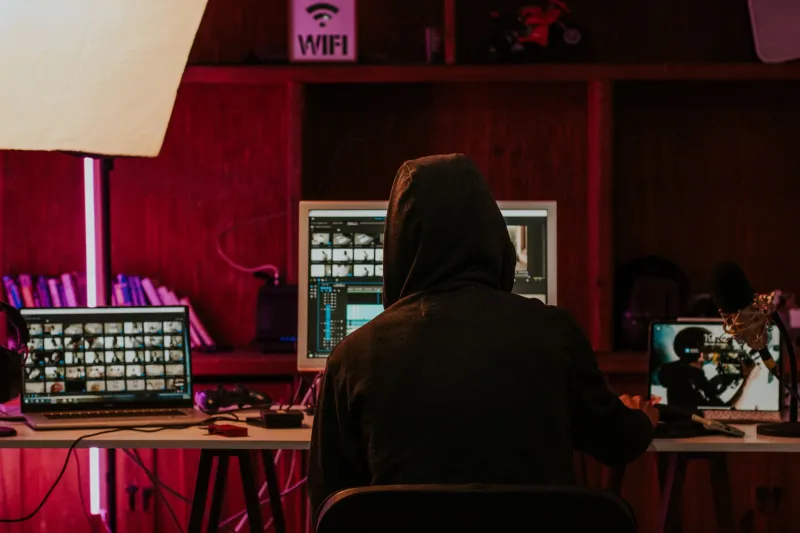
One week you're streaming to a cozy little chat room where everybody knows your handle. The next, your clip goes viral, your follower count triples overnight, and suddenly strangers across the country are debating your personality in subreddit threads you didn't even know existed. For a lot of streamers, that inflection point feels less like a celebration and more like the ground shifting beneath their feet.
Rapid growth in the streaming world is a double-edged sword — and the sharper edge doesn't always face outward.
The Numbers Go Up, But So Does the Pressure
There's a particular kind of anxiety that comes with a growing audience, and it doesn't get talked about nearly enough in creator spaces. When you were small, a missed stream night was no big deal. Now, skipping a session means hundreds of people flooding your socials asking if you're okay — or worse, assuming you've "changed" since you got popular.
Dr. Janelle Morrow, a licensed psychologist who works with creative professionals in Los Angeles, describes it as a "visibility trap." The more people watch, the more a streamer feels obligated to perform, even on days when they're running on empty. "There's this cognitive distortion where creators start believing their audience's happiness is entirely their responsibility," she explains. "That's an impossible standard for any human being to maintain."
And the data backs that up. A 2023 survey by the nonprofit organization Take This, which focuses on mental health in gaming and streaming communities, found that over 60% of content creators reported experiencing burnout symptoms within the first year of significant audience growth. Burnout here isn't just feeling tired — it's emotional exhaustion, detachment from content you used to love, and a creeping sense that none of it matters anymore.
Impostor Syndrome Doesn't Care How Many Followers You Have
Here's something a lot of fast-growing streamers won't tell you publicly: gaining an audience fast can actually make you feel less confident, not more. When growth happens quickly, it often feels unearned — like you stumbled into a spotlight you weren't ready for.
That's impostor syndrome doing its thing, and it hits creators especially hard because their work is so visible and so personal. Marcus T., a variety streamer based in Atlanta who hit 100K followers in under eight months, described the experience like this: "Every stream I'd think, 'today's the day they figure out I'm not as good as they think.' The bigger the audience got, the louder that voice got."
The cruel irony is that the very engagement that signals success — donations, hype trains, clipped moments, fan art — can amplify self-doubt instead of quieting it. When you don't feel like you deserve the attention, every compliment starts to feel like pressure to keep earning it.
Constant Availability Is Not a Personality Trait
Live streaming culture has quietly normalized something pretty unhealthy: the idea that a "real" creator is always on, always accessible, always ready to go live. Discord servers that never sleep. DMs that pile up. Parasocial relationships that blur the line between community and obligation.
This expectation of constant availability is one of the fastest routes to psychological breakdown in the streaming world. Sleep deprivation, skipped meals, canceled plans with actual friends and family — these aren't just streamer clichés. They're warning signs.
Setting what therapists call "digital boundaries" isn't about shutting your audience out. It's about creating a sustainable rhythm that lets you show up better when you are live. That might look like scheduled offline hours that you communicate clearly to your community, auto-responses on your socials during downtime, or simply training your audience early on that you're a person first and a streamer second.
"Audiences often mirror the energy their creator sets," says Dr. Morrow. "When a streamer models healthy limits, it tends to create a healthier community culture overall."
Practical Steps That Actually Help
So what does sustainable streaming actually look like in practice? Here are a few strategies that real creators and mental health professionals point to:
Treat your off days like appointments. Block them on your calendar the same way you'd block a stream. Non-negotiable rest isn't laziness — it's maintenance.
Create a post-stream wind-down routine. Going straight from a high-energy three-hour broadcast to lying in bed staring at the ceiling is a recipe for anxiety. Give yourself 30-45 minutes to decompress: walk, stretch, eat something, disconnect from the screen.
Talk to someone outside your audience. Whether that's a therapist, a trusted friend, or a peer creator who gets it, having a space where you're not "the streamer" is essential. Organizations like the Crisis Text Line (text HOME to 741741) and Take This (takethis.org) offer free or low-cost resources specifically for people in gaming and content creation.
Audit your relationship with metrics. Checking your viewer count mid-stream or obsessively tracking follower trends after going offline is a habit that feeds anxiety. Many streamers who've navigated burnout successfully describe deliberately reducing how often they look at the numbers.
Build a mod team you actually trust. A strong moderation team doesn't just protect your chat — it protects your mental bandwidth. You shouldn't be managing community toxicity in real time while also trying to be entertaining.
The Community's Role in All of This
This isn't just a creator issue. Audiences play a role in the mental health ecosystem of any streaming community. Expecting a streamer to be live every single day, sending entitled messages when they take a break, or treating burnout announcements as content opportunities — these behaviors quietly contribute to the problem.
The healthiest streaming communities are the ones that celebrate their favorite creator's humanity. That means cheering just as hard for a streamer who takes a mental health week as for one who hits a new concurrent viewer record.
At iMau4U Live, we genuinely believe the best live content comes from creators who feel good enough to bring their real selves to the screen. That's not possible when someone is running on fumes and fear.
Growth Is Only Worth It If You're Around to Enjoy It
The streaming world has a tendency to romanticize the grind — the 12-hour marathon streams, the "no days off" mentality, the creator who sacrifices everything for the community. But none of that is sustainable, and increasingly, creators who've burned out are saying so out loud.
Going viral is exciting. Building a loyal audience is genuinely one of the coolest things the internet makes possible. But none of those milestones mean much if you're too exhausted or too anxious to feel them.
Your mental health isn't a sidebar to your streaming career. It's the foundation everything else is built on. Protect it like the asset it is.