Network News Just Got a Makeover: Why Executives Are Raiding the Streaming World for Their Next Big Face
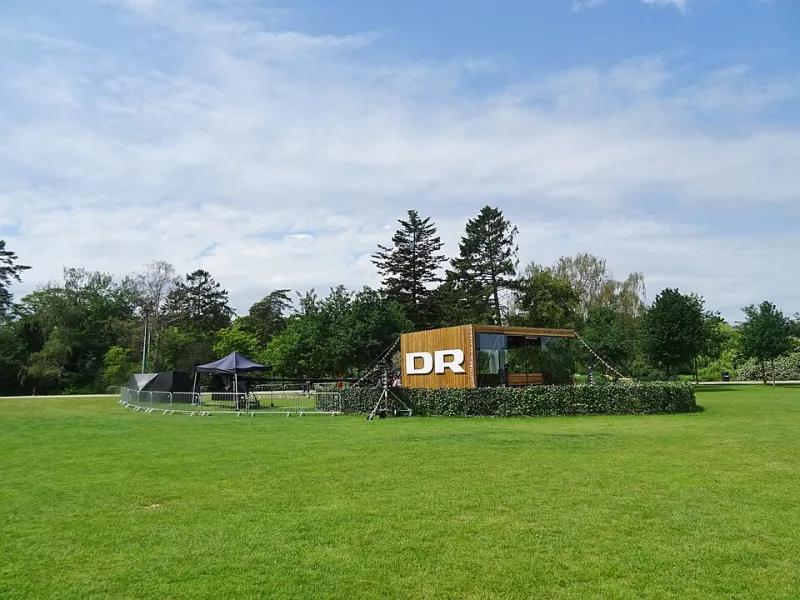
Photo: Leif Jørgensen, CC BY-SA 4.0, via Wikimedia Commons
Somewhere in a Manhattan conference room right now, a network executive is watching a Twitch VOD and taking notes. This is not a hypothetical. Across the television industry, the talent pipeline has quietly reversed direction: instead of streamers dreaming of TV, TV is now shopping in the streamer aisle.
Sports networks have hired gaming personalities to host esports coverage. Morning shows have pulled creators with six-figure follower counts into contributor roles. Even news-adjacent programming has started recruiting people whose primary credential is an audience that actually shows up. The question isn't whether this trend is real. The question is what it means for the people watching at home.
What Streamers Bring That Broadcast School Doesn't Teach
The case for hiring stream talent is brutally simple: they are trained professionals in the one skill television has always struggled to fake—being genuinely live.
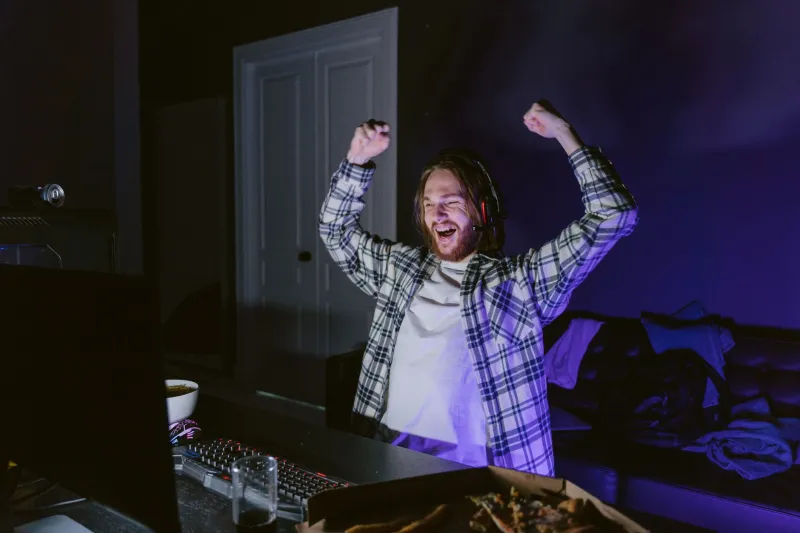
A traditional anchor is polished, but that polish is manufactured in takes, teleprompters, and controlled studio conditions. A streamer who has gone live four nights a week for five years has survived every possible disaster: chat turning hostile mid-sentence, tech failures, dead air, a guest who no-shows. They cannot freeze, because there is no freeze option. If they stop talking, the room empties in real time.
That produces a specific kind of performer. Streamers are conversational rather than declarative. They're comfortable admitting they don't know something and figuring it out on camera. They read a live audience the way a comedian reads a comedy club—not the audience the show wishes it had, but the one actually in the room. Television, which spent decades pretending its audiences weren't talking back, suddenly needs people fluent in a medium where the audience never stopped talking.
There's also the unglamorous math: a creator arrives with a built-in distribution channel. A network hire isn't just a host; it's a host who can funnel hundreds of thousands of followers toward the network's own platforms. In an era when younger viewers get their news from TikTok and their sports highlights from YouTube, that's not a bonus. That's the whole point.
What Gets Lost in the Trade
Now for the uncomfortable part, because not everything about this trade benefits the audience.
Live streaming culture is built on intimacy and speed. Broadcast production is built on layers—producers, standards departments, legal review, marketing. When a raw live talent gets dropped into a corporate machine, one of two things tends to happen. Either the edge that made them compelling gets sanded down until they're a recognizable-but-generic TV face, or the friction between their instincts and the institution produces genuinely awkward television.
There's also a craft gap that doesn't get discussed enough. Streaming rewards a narrow, personal lens—one person's reactions, one person's community. Broadcast journalism, at its best, rewards restraint, verification, and the discipline to stay out of your own story. A streamer's superpower—their personality is the content—can become a liability when the job requires them to disappear behind the material. Some of the most-hyped creator-to-TV crossovers have flopped precisely because the hire was treated as a marketing play rather than a casting decision.
And viewers notice. There's a reason the most successful crossovers tend to be in entertainment and sports-adjacent formats rather than hard news. Audiences will accept a gamer hosting an esports broadcast. They're warier about the same person delivering coverage that demands institutional credibility.
The Middle Path Already Exists
The smartest plays in this space aren't full conversions—they're hybrids. Streamers who keep their independent channels while contributing to larger productions bring the best of both worlds: the reach and authenticity of the creator economy, backed by the resources and standards of an established shop.
For streamers reading this, the takeaway is practical. The skills you're building are now a legitimate career on-ramp, not a detour from one. Consistency, live composure, community management, improvisation—put those on a résumé.
For networks, the takeaway is humbler: hire the person, not the follower count. The audience can tell the difference. They always could.